_edited.png)

Investigation Capability Requires Continuous Development
Updated: Aug 7
In general, we recognise the importance of competent incident investigators.
Organisations invest in training, send people on accredited courses and build internal investigation teams. These are valuable investments. Yet one assumption often remains unchallenged. Once someone has completed a training course, they are considered capable of conducting investigations.
In reality, investigation capability does not develop that way.
No pilot expects to master flying after a single course.
No surgeon believes one training programme is enough for an entire career.
No musician assumes that learning the fundamentals removes the need for practice.
Incident investigation is no different. Like every professional discipline, it requires continuous development. Not because investigators are incapable, but because good investigation is a skill that continues to evolve through experience, reflection and deliberate practice.
Capability Is More Than Competence
Training provides an essential foundation. It introduces investigators to structured methodologies, analytical techniques and investigation principles.
Without that foundation, meaningful investigations become difficult.
But attending a course and developing professional capability are not the same thing.
Capability grows through applying knowledge in different situations, reflecting on previous investigations and continuously improving professional judgement.
Over time, experienced investigators learn to:
ask better questions;
recognise subtle organisational influences;
challenge their own assumptions;
distinguish symptoms from underlying conditions;
communicate findings more effectively.
These capabilities rarely emerge during a single training programme. They develop gradually through repeated practice and continuous learning.
Every Investigation Teaches the Investigator
One unique characteristic of incident investigation is that no two investigations are exactly the same.
Different organisations.
Different operational environments.
Different hazards.
Different people.
Every investigation presents new challenges.
Experienced investigators understand that every assignment offers an opportunity to improve their own capability.
Sometimes they discover a better way to conduct interviews.
Sometimes they realise they reached conclusions too quickly.
Sometimes they identify questions they should have asked but did not.
The investigation does not only generate learning for the organisation. It also generates learning for the investigator. That mindset distinguishes professionals who simply conduct investigations from those who continuously improve their craft.
Experience Alone Is Not Enough
Experience is valuable. But experience alone does not automatically produce better investigators. Someone may conduct investigations for many years while repeating the same habits, asking the same questions and reaching the same conclusions.
Professional growth requires more than accumulating experience.
It requires deliberate reflection. Good investigators regularly ask themselves questions such as:
What did I overlook?
Which assumptions influenced my thinking?
Could I have interviewed differently?
Were my conclusions sufficiently supported?
What will I do differently next time?
These questions transform experience into learning. Without reflection, experience can simply reinforce existing habits. With reflection, experience becomes professional development.
Investigation Capability Is an Organisational Asset
Many organisations focus on developing individual investigators. That is important.
But investigation capability also exists at an organisational level.
An organisation with strong investigation capability does more than train investigators.
It creates opportunities for investigators to continue learning.
It encourages peer review.
It discusses difficult cases.
It shares lessons across investigation teams.
It invests in refresher training, masterclasses and communities of practice.
In other words, it recognises that investigation capability is not a one-time investment.
It is a capability that must be developed continuously if organisations want to improve the quality of learning from incidents.
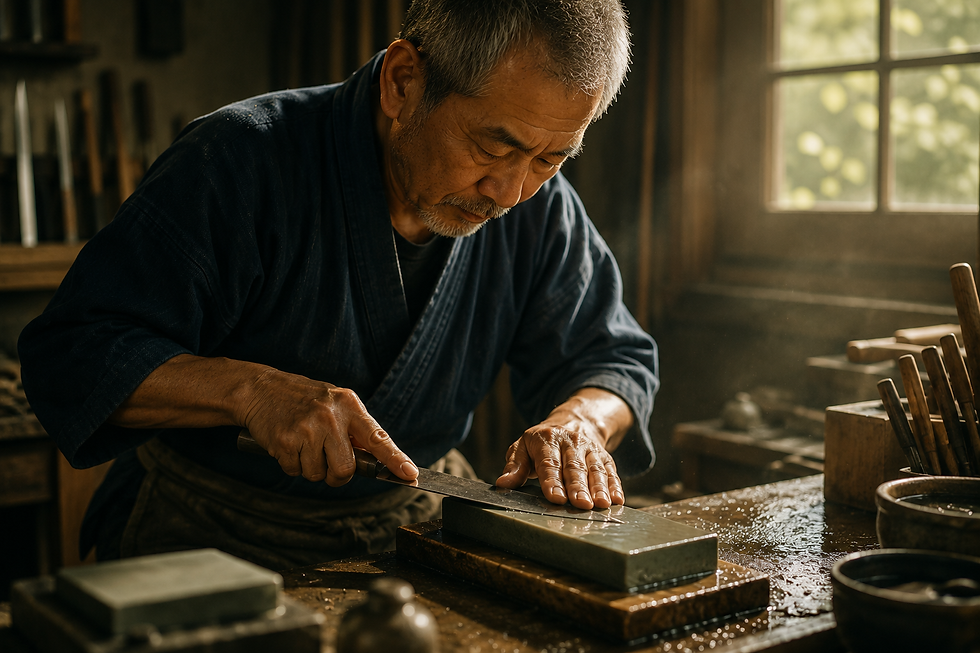
Continuous Development Creates Better Questions
The quality of an investigation is rarely determined by the methodology alone.
More often, it is determined by the quality of the questions the investigator asks.
Experienced investigators are not simply better because they know more. They are better because:
They have learned to become more curious.
They resist jumping to conclusions.
They recognise when an explanation feels too convenient.
They know that every answer usually leads to another question.
Over time, investigators also develop greater confidence in exploring more complex topics. They become more comfortable discussing organisational influences, conflicting priorities, operational realities and difficult decisions without turning interviews into interrogations.
These capabilities are not taught in a single classroom. They develop through experience, reflection and continuous learning. And they often make the difference between an investigation that simply explains an incident and one that genuinely helps an organisation learn.
Developing Capability Is a Leadership Responsibility
Many organisations expect investigators to improve through experience alone.
However, capability rarely develops without support.
Leaders play an important role in creating an environment where investigators continue to learn. That may include:
providing opportunities to investigate different types of incidents;
organising peer reviews of completed investigations;
encouraging constructive feedback;
discussing complex cases together;
investing in refresher training and masterclasses;
creating opportunities to learn from investigators in other organisations.
These activities strengthen more than individual investigators. They gradually improve the organisation's overall investigation capability. And that capability ultimately determines how effectively an organisation learns from incidents.
Professional Growth Never Really Ends
Organisations do not strengthen investigation capability simply by training investigators once. They strengthen it by creating an environment in which investigators continue to learn throughout their careers.
Like every professional discipline, incident investigation requires more than knowledge.
It requires curiosity, reflection, practice, feedback and a willingness to keep improving.
Because great investigators are not defined by the number of courses they have completed. They are defined by their commitment to continuously developing their capability. And organisations that invest in that development are far more likely to turn investigations into lasting organisational learning.
"Great investigators are not trained once.
They are developed continuously."
Continue Developing Your Investigation Capability
If you would like to continue developing your investigation capability, you may also be interested in:
Discover the knowledge, skills and mindset that enable investigators to conduct higher-quality investigations through curiosity, critical thinking and effective communication.
What Makes a Good Incident Investigator?
Discover the capabilities, mindset and behaviours that distinguish effective investigators from those who simply apply a methodology.
Interviewing Skills | Shaping Better Incident Investigations
Explore why the quality of investigative interviews often determines the quality of the investigation itself.
Tripod Beta Training Programme
Develop your investigation capability through accredited learning events, practical workshops and continued professional development.
Explore upcoming public learning events designed to help investigators continue developing their knowledge, skills and professional judgement.


Comments